Timelines explained
How Long Does Clear Aligner Treatment Take? (2026)
Typical timelines by case type, what speeds treatment up or slows it down, and practical tips to finish on schedule.
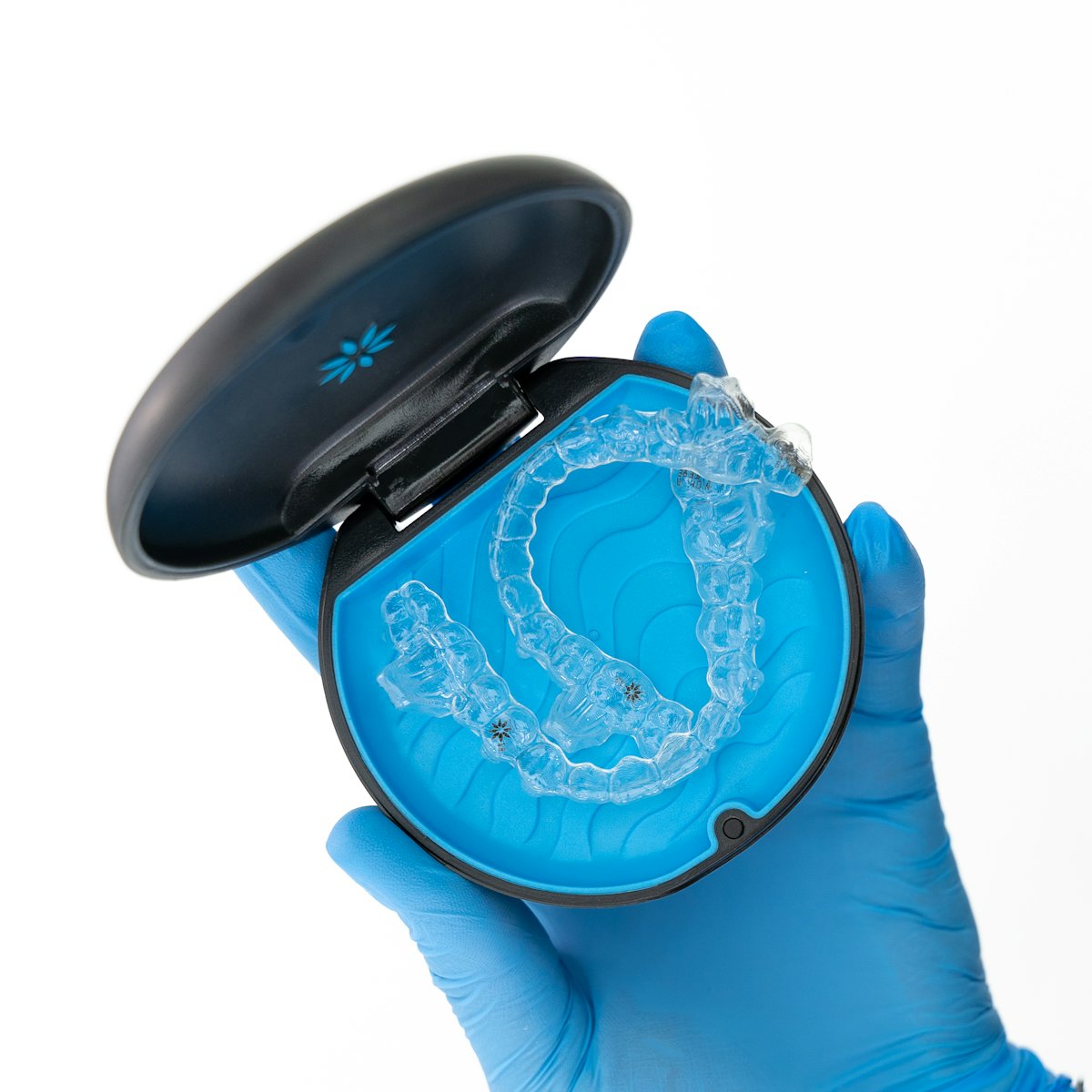
Clear aligners straighten teeth in small, planned steps. Each tray moves your teeth a little, and you change to the next one every week or two until you reach the final position your provider mapped out from a 3D scan. How long the whole process takes depends mostly on how much your teeth need to move and how consistently you wear your trays. Below are typical timelines by case type, the factors that speed things up or slow them down, and practical tips to finish on time.
Typical timelines by case type
| Case type | Typical timeline | What it usually involves |
|---|---|---|
| Minor corrections | 4-6 months | Small gaps, light crowding, minor relapse after past treatment |
| Mild-to-moderate cases | 6-12 months | Noticeable crowding or spacing, simple bite adjustments |
| Average / comprehensive cases | 12-18 months | Most full treatment plans, moderate crowding and bite work |
| Complex cases | 18-24 months or more | Severe crowding, large gaps, significant bite correction, many rotations |
Timelines are typical estimates. A consult and 3D scan give a personalized plan; your wear-time compliance affects whether you hit it.
What affects the timeline
Case complexity
The more your teeth need to move, the longer treatment takes. Minor touch-ups can be done in a few months, while severe crowding, large gaps, or substantial bite corrections call for many more trays and more time. This is set largely at the start, when your provider plans the movements from your scan.
Wear-time compliance
This is the biggest factor you control. Aligners only move teeth while they are in your mouth, so wearing them 20 to 22 hours a day keeps you on schedule. Regularly leaving them out for meals, drinks, or convenience stretches every stage of treatment and is the most common reason cases run long.
Attachments
Attachments are small tooth-coloured bumps bonded to certain teeth to give the trays a better grip for harder movements like rotations. They help difficult cases track as planned, which can keep complex treatment on time, though some movements simply need more stages.
Refinements
Near the end, your provider may order refinements: extra trays to fine-tune teeth that have not fully reached their target. Refinements are common and usually included in a complete quote, but they can add a few weeks to a few months. Strong wear-time habits reduce how many you need.
How treatment progresses, step by step
- Consult and 3D scan. Your provider scans your teeth and maps the full sequence of movements, then estimates your timeline.
- First trays and attachments. You receive your aligners, any attachments are placed, and you begin wearing the first tray 20-22 hours a day.
- Switch trays on schedule. Every 1-2 weeks you move to the next tray. Each one applies gentle pressure to keep teeth moving.
- Periodic check-ups. Your provider checks that teeth are tracking the plan and hands out the next set of trays.
- Refinements if needed. If any teeth fall short of the target, a short round of refinement trays fine-tunes the result.
- Retainers. Once treatment finishes, you wear a retainer to hold your new smile in place and prevent relapse.
Tips to stay on track
- Wear them 20-22 hours a day. Build the habit of putting trays back in right after eating or brushing.
- Follow your switch schedule. Do not move to the next tray early or late unless your provider tells you to.
- Drink only water with trays in. Other drinks can stain trays and tempt you to leave them out.
- Keep every check-up. Catching tracking issues early prevents bigger delays later.
- Use a case. Most lost trays happen when they are wrapped in a napkin at a restaurant; a missing tray sets you back.
How this compares to braces
For comparable cases, clear aligners and traditional braces take a similar amount of time, usually about 12 to 18 months. The difference is that aligner timelines depend heavily on your own discipline. If you are weighing the two options, see our guide to clear aligners vs braces, our cost breakdown, and tips on how to choose a provider.
Common questions
How long does clear aligner treatment usually take?
How often do you change clear aligners?
How many hours a day do I need to wear my aligners?
Why is my aligner treatment taking longer than expected?
What are refinements and do they add time?
Get a personalized timeline
Compare free quotes from vetted clinics and find out how long your case is likely to take.
Get free quotes →