Buyer's guide
How to Choose a Clear Aligner Provider
Dentist vs orthodontist, certification, the questions to ask, what should be included, and the red flags that should make you walk away.
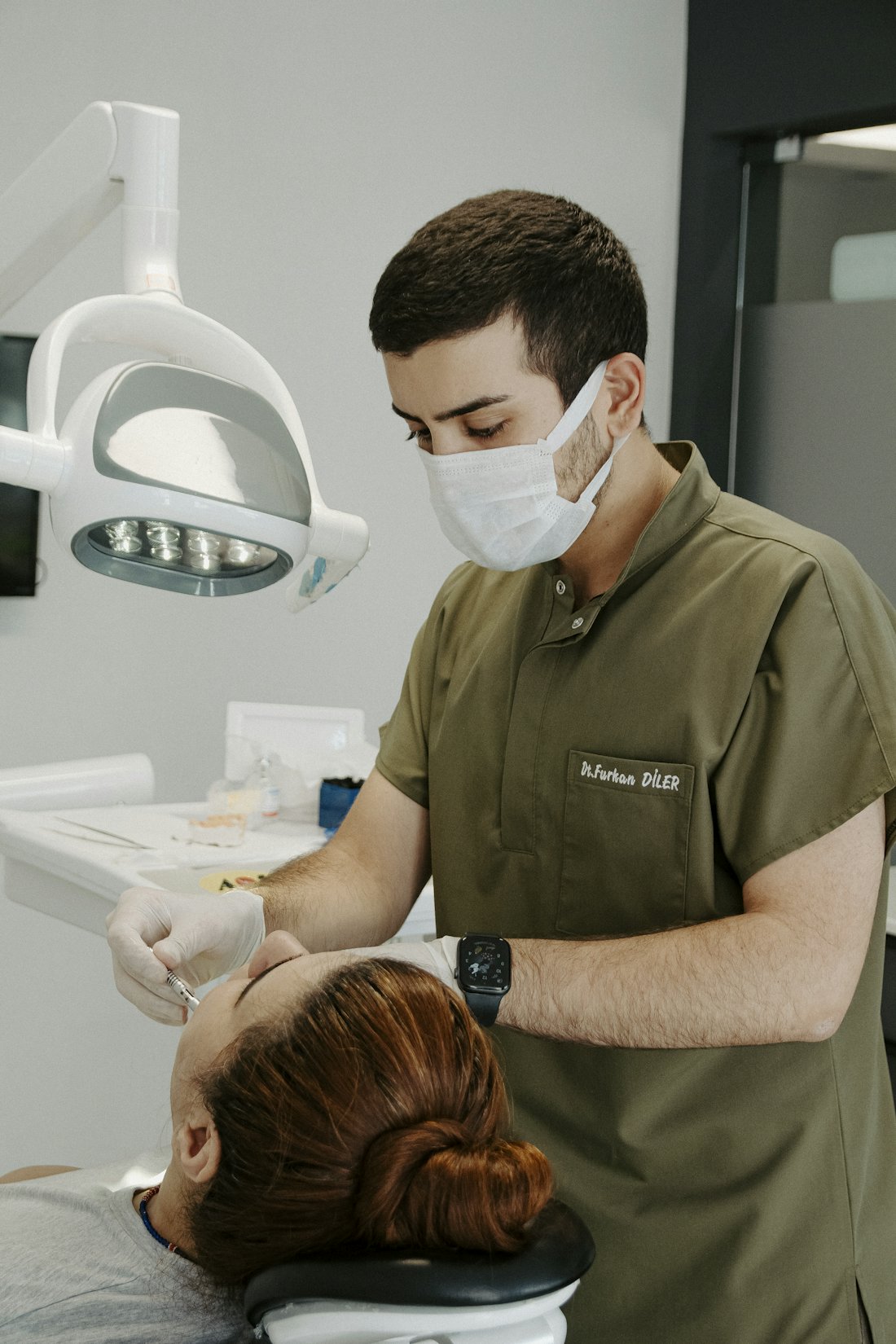
For mild-to-moderate crowding, a certified general dentist is usually fine. For complex bites or jaw issues, choose an orthodontist. In every case, pick a provider who takes a 3D scan, shows a digital preview, and gives an itemized quote that includes refinements and a retainer.
Dentist vs orthodontist
- General dentist: many are certified Invisalign® providers and handle mild-to-moderate cases well.
- Orthodontist: a specialist in tooth and jaw movement, best for complex bites, big gaps, or relapse cases.
Questions to ask
- Are you a certified Invisalign® provider, and how many cases like mine have you treated?
- Do you take a 3D scan and show a digital preview of my result?
- Does the quote include refinements if teeth need extra movement?
- Is at least one retainer included?
- What happens if my teeth do not track to plan?
- Do you offer financing?
At-home vs in-clinic
Mail-order aligners are cheaper but unsupervised. A local provider scans your teeth, monitors progress, and can correct course, which matters for anything beyond minor crowding. See our at-home vs in-clinic comparison →
Red flags
- No 3D scan or in-person exam before quoting
- Prices far below everyone else (often excluding refinements or retainers)
- No plan for what happens if treatment stalls
- High-pressure, "today only" pricing
Compare vetted providers near you
Get free quotes and ask these questions to several clinics at once.
Get free quotes →